
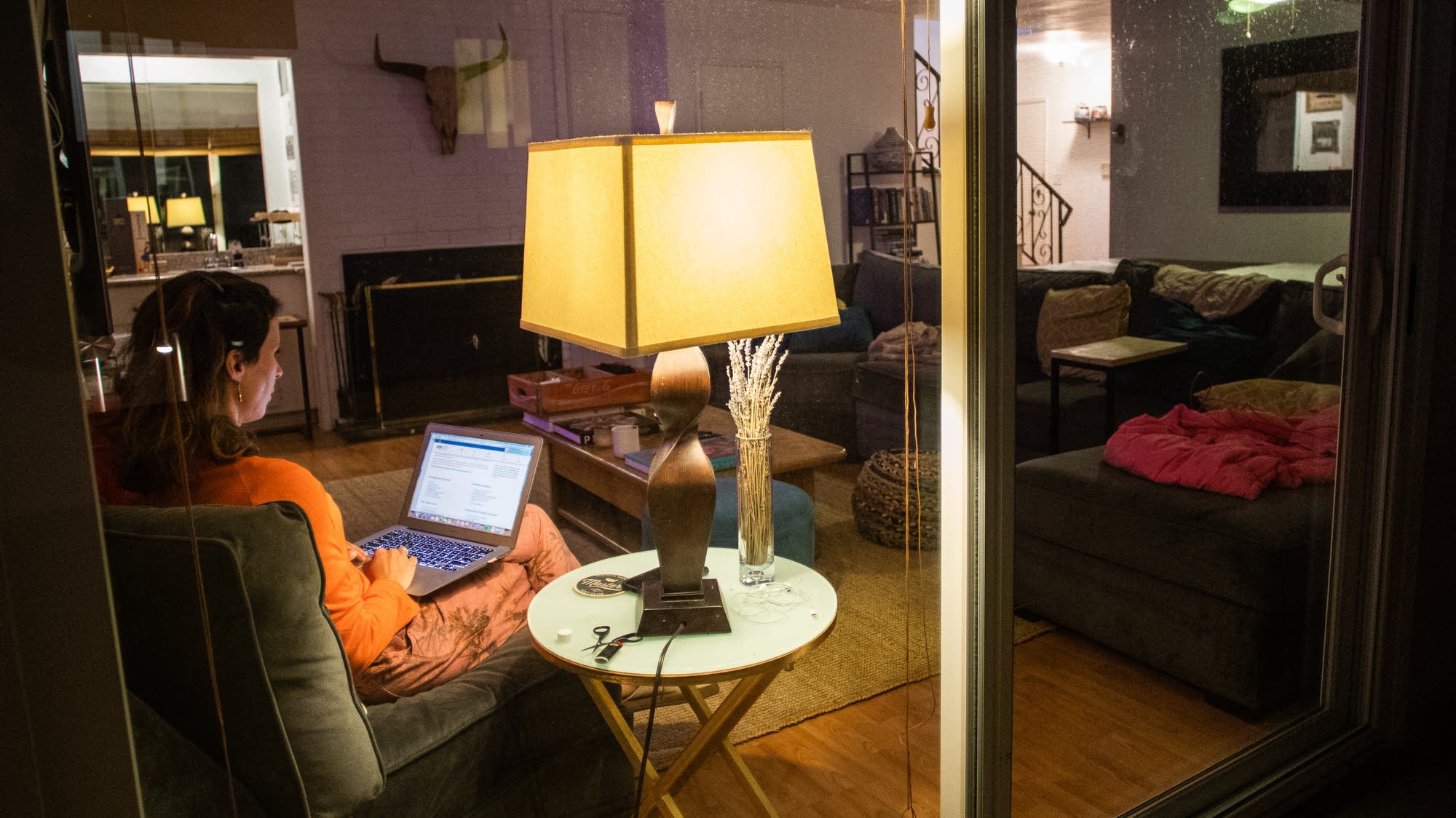
One of the most profound changes brought on by the pandemic involved how we get to work. Practically overnight, remote work went from a niche to the norm in many places.
The Remote Work Surge and Its Aftermath
In 2019, before the pandemic hit, only about 89,000 King County residents, or 7% of the working population, worked most days remotely. In 2021, during pandemic lockdowns, that number jumped to 452,000, or 38% of King County workers.
Since then, the number has dropped as more employers have required their employees return to the office. The most recent data shows 271,000 (21%) work remotely, a figure that remains much higher than in 2019.
But the rise of remote work affected some parts of King County far more than others.
Where Remote Work Thrives: Affluent, Educated Neighborhoods
The census tracts with the highest shares of remote workers tended to be more affluent and had higher percentages of residents with college degrees. Many workers in these tracts were employed in white-collar occupations that do not require physical presence and could be converted to remote work with relative ease.
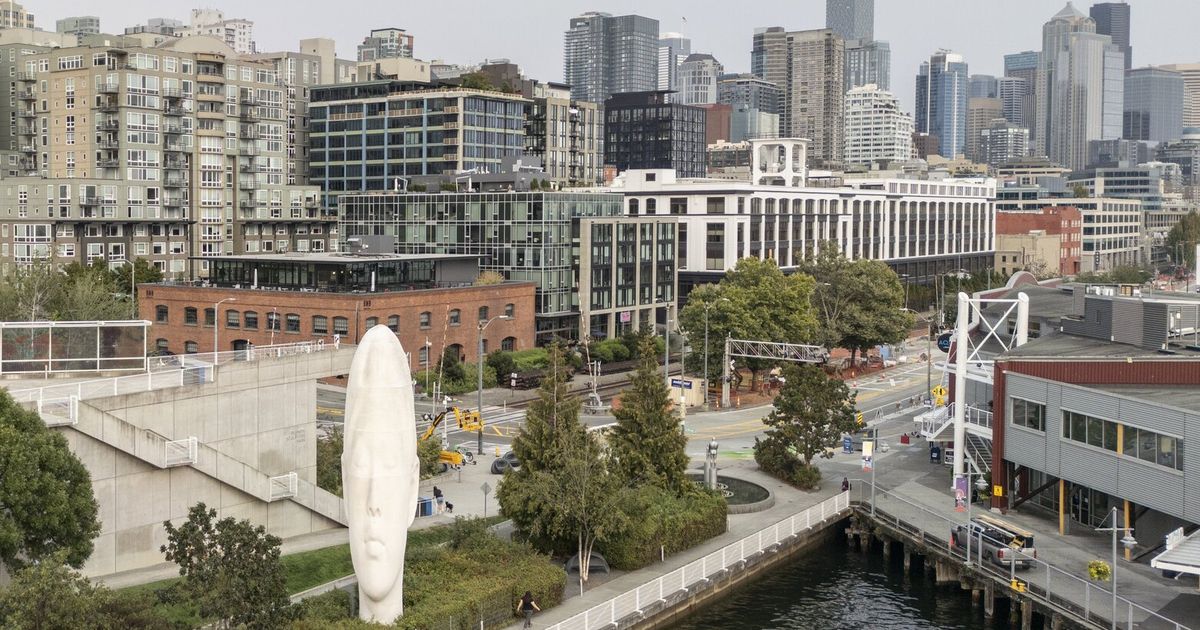
The top census tract for remote work was located on the western edge of downtown Seattle’s Belltown neighborhood, around the Olympic Sculpture Park. Approximately 1,600 of the 2,600 working residents in this tract (61%) worked remotely.
This tract had one of the highest shares of tech workers in the county, with 35% of working residents employed in what the Census Bureau calls computer and mathematical occupations.
That’s not surprising. Tech jobs are particularly well-suited to remote work because the work itself is digital, often requiring little more than a computer, an internet connection and specialized software.
The tract with the second-highest share of remote workers was also heavily populated by tech workers. Approximately 56% of employed residents in this tract, located in the Lower Queen Anne and Westlake neighborhoods and just a stone’s throw from the Amazon campus in South Lake Union, worked remotely. Roughly 33% of residents were employed in tech occupations.
A tract in Bellevue’s Somerset neighborhood ranked third, with 51% of employed residents working remotely. This tract had a mix of workers in predominantly white-collar occupations, many of which converted to remote work with relative ease. Tech and managerial occupations were the most prevalent in this tract, each accounting for 18% of employed residents.
The Census Bureau uses an average of five years of American Community Survey data to analyze census tracts, which provides more accurate estimates for these small areas. The latest release aggregates data from 2020 to 2024, after the onset of the pandemic. It’s worth noting that the number of remote workers was highest in the early years of the pandemic and has since declined.
Where Remote Work Lags: Less Affluent Areas with Physical Jobs
The census tracts with the lowest shares of remote workers were primarily clustered in less affluent areas of South King County. A high proportion of workers were employed in jobs that required physical presence, such as service and retail jobs, transportation and delivery and other occupations.
In a tract in the East Hill neighborhood of Kent, only about 70 of the 2,500 employed residents — just under 3% — worked remotely. About 27% of workers in this tract were employed in transportation and moving occupations, and 25% were in service occupations.
A neighboring tract in Kent, with a similarly high share of workers in service, transportation, and moving occupations, had the third-lowest share of remote workers, at just over 3%.
The second-lowest share of remote workers was in a tract in the Redondo East neighborhood of Federal Way, at 3%. In this tract, 36% of the employed residents worked in service occupations.




Comments
Join Our Community
Sign up to share your thoughts, engage with others, and become part of our growing community.
No comments yet
Be the first to share your thoughts and start the conversation!