
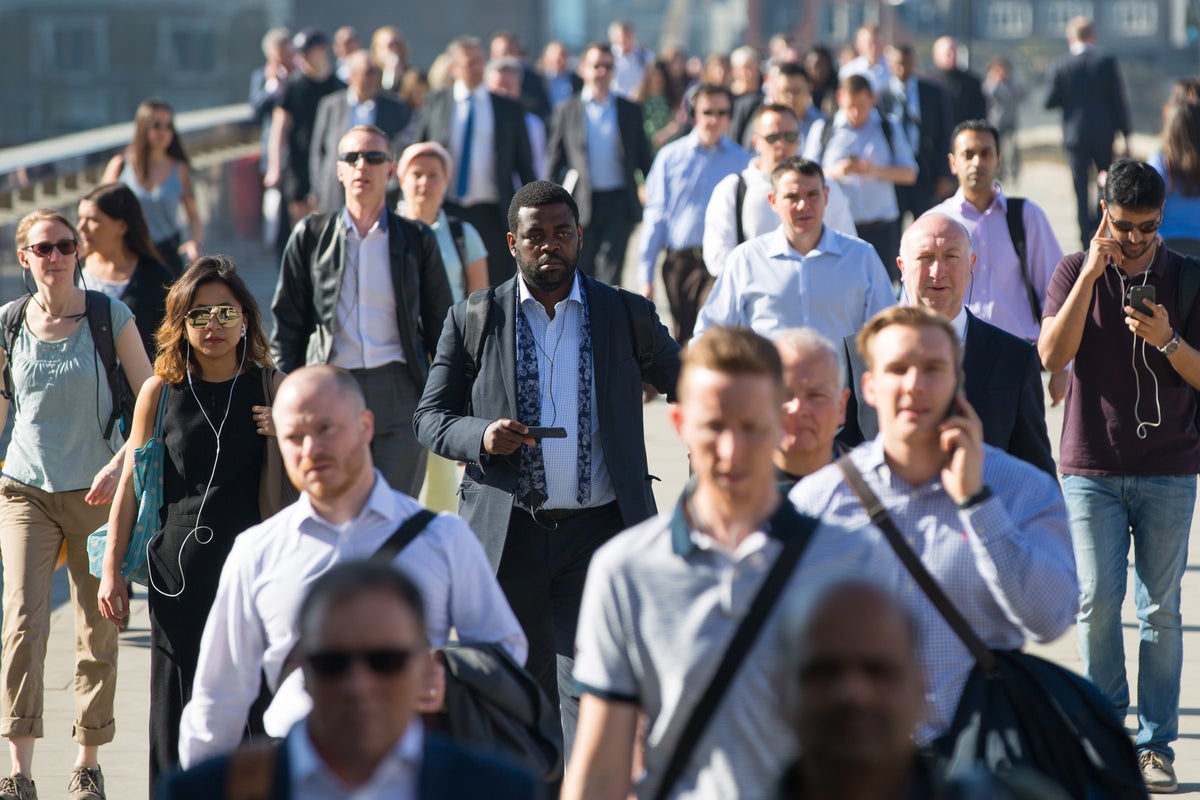
A six-year study reveals that narcissistic leaders are more likely to oppose remote work because it threatens their power and status. Researchers from Wharton School analyzed over 1,000 executives and found that narcissism was the only consistent predictor of resistance to work-from-home policies.
The Study's Findings
The research, published in Organizational Behavior and Human Decision Processes, included three separate studies:
- Study 1: Analyzed 259 Fortune 500 CEOs using markers like photo prominence in annual reports, signature size, and relative compensation.
- Study 2: Surveyed 359 leaders measuring narcissism, Machiavellianism, psychopathy, and power motivation.
- Study 3: An experiment with 546 leaders, where those primed with narcissistic traits showed greater resistance to remote work.
Across all studies, narcissism was the only factor that consistently predicted leaders' objections to remote work. The authors concluded: "The higher the opinions of themselves leaders expressed, the more they coveted power and status — and the more they favored full-time return-to-office mandates."
The Broader Context
Despite some high-profile return-to-office mandates (e.g., Elon Musk, Jamie Dimon), data shows hybrid work remains popular:
- 22.6% of US employees worked remotely at least part-time as of March 2026.
- 28% of British workers had hybrid arrangements in early 2025.
- 36% of Australian employees usually worked from home in August 2025.
The Sweet Spot: Hybrid Work
Evidence supports a hybrid model with 2-3 days in the office:
- A randomized controlled trial found no significant productivity difference between full-time office and hybrid workers, but hybrid workers had higher job satisfaction and were 33% less likely to resign.
- A 2024 study of top US companies found strict return-to-office mandates did not improve financial performance but decreased job satisfaction.
- A 2025 survey of 26,000 workers across Europe, Asia-Pacific, and the Americas found 70% valued location flexibility, and work-life balance was the top motivator (ranking above pay for the first time since 2003).
Overall, the evidence suggests a hybrid mix is the sweet spot for both employers and employees.



Comments
Join Our Community
Sign up to share your thoughts, engage with others, and become part of our growing community.
No comments yet
Be the first to share your thoughts and start the conversation!