
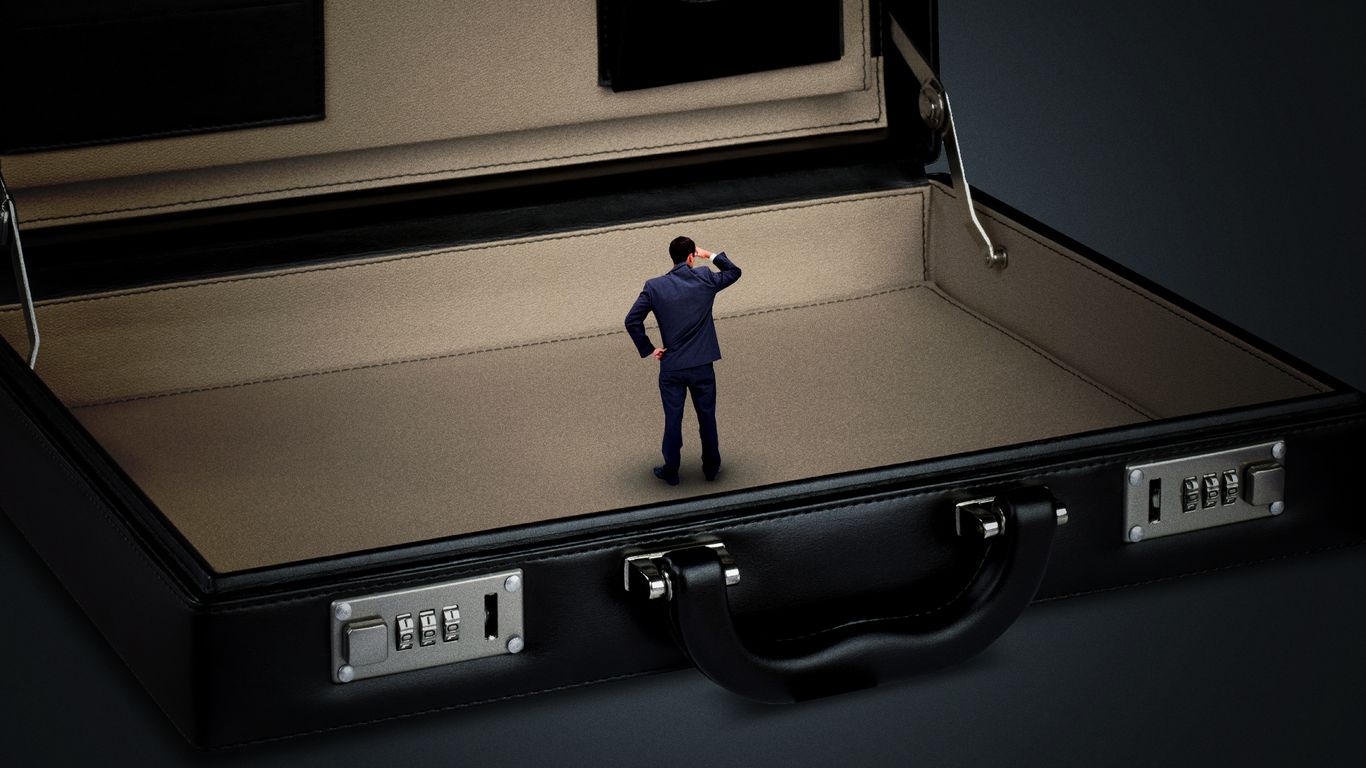
The Rise of Chatbot Colleagues
Who even needs an office bestie anymore? Professionals are increasingly turning to chatbots, instead of humans, for mentorship, advice, chitchat and brainstorming.
Why This Matters
The rise of remote work radically shifted how people interact. Now AI, while increasing productivity, is pushing that disruption further.
- The downsides: loneliness and the loss of connections that could have led to breakthroughs and quality work.
- Plus, you can't get the hot office goss from a chatbot.
The Latest Developments
"I like working with people, and it's sad that I 'need' them less now," one employee at Anthropic, the company behind the Claude chatbot, says in a new report on how the firm is itself using the new technology.
- Anthropic says some of its engineers are turning to Claude for questions that used to go to colleagues: "Some report fewer mentorship and collaboration opportunities."
Beyond AI Companies
This isn't just happening inside AI companies — chatbot colleagues are seeping into all kinds of white-collar workplaces.
- 64% of the workers who said AI is making them more productive also said they have a better relationship with AI than with their coworkers, a survey by Upwork, a freelance marketplace, found earlier this year.
How It Works
Before asking a colleague or boss a question, you ask a bot.
- "It feels like AI is becoming the new Google, where I feel a little annoyed if someone asks me a simple question that a quick search could have answered," Thomas Weinandy, an economist, tells Axios.
The Appeal of Drama-Free AI
"I hate myself for saying it, but a big reason Gemini works [is] because it functions as the colleague with no drama," says Neil Ripley, a communications executive, referring to Google's chatbot.
- "It's not 'jamming on something' and needs to get back to me," he writes in an email. "I don't have to juggle time zones. It's not overwhelmed from life. It won't judge me or gossip for asking dumb or last-minute questions."
The Danger of Unchallenged Feedback
Unlike that pesky colleague always chiming in with an "actually" in the Slack, chatbots just tell you want you want to hear.
- "That's dangerous feedback to get at work," says Kelly Monahan, who worked on that Upwork survey and now runs a workplace consulting firm.
- Our human colleagues should challenge us — sharpening our ideas.
- "I'm worried this is a huge problem," Monahan says. "Right now, we're more efficient, in two years we're going to have fractured organizations."
The Big Picture
Americans are increasingly lonely, polarized and disengaged from each other — in and out of the workplace.
- Gallup's employee engagement data, a measure of how supported and committed workers' feel, shows that since 2020 they've have been increasingly emotionally detached.
- Bots can't replace human connection.
The Other Side
Talking to a chatbot is ideally a supplement to human conversation and connection, says Edwige Sacco, head of workforce innovation at KPMG.
- People go to AI first to game out future human conversation.
- "It's like a mirror for your own thoughts," she says, adding that she hasn't seen data showing people are interacting less on "the things that matter."
- The consulting firm is piloting new coaching software that employees can use to do things like prepare for their performance reviews.
What to Watch
AI boosters say the next wave of adoption will come as workers figure out how to use the technology as a team, so it's less isolating.
The Bottom Line
There's growing concern that a technology that's amazing at leveraging the collective intelligence of humanity is paradoxically pulling humans away from collectively coming together to come up with the next big thing.



Comments
Join Our Community
Sign up to share your thoughts, engage with others, and become part of our growing community.
No comments yet
Be the first to share your thoughts and start the conversation!